

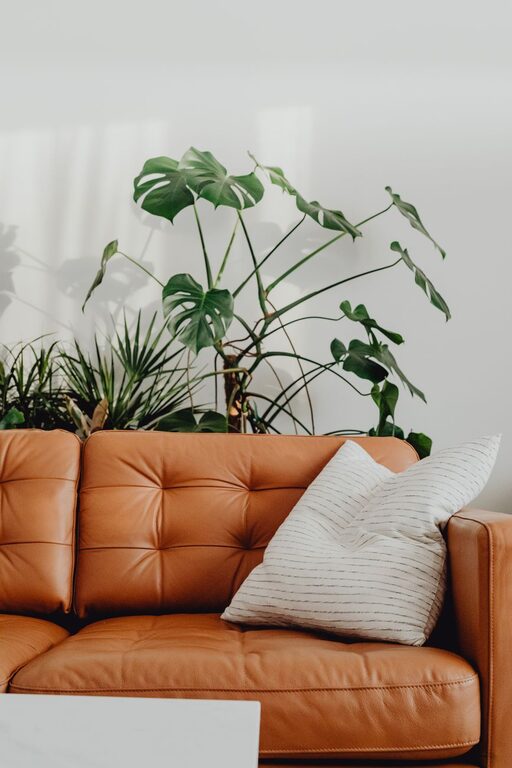
Creating a relaxing home environment is essential for unwinding after a long day and maintaining overall well-being. While elaborate renovations can be costly and time-consuming, making simple décor changes can have a powerful impact on how peaceful and inviting your space feels. In this post, we’ll explore practical ways to enhance your home’s ambiance through easy and affordable décor updates.
Why a Relaxing Home Environment Matters
Your home should be a haven where you can recharge your mind and body. A calm atmosphere helps reduce stress, improve sleep quality, and boost creativity. The good news is that you don’t need to overhaul your entire space to create that effect. Thoughtful décor decisions can set a soothing tone and encourage relaxation.
1. Choose Soothing Color Palettes
Color has a strong influence on mood. Soft, muted colors tend to promote calmness and serenity.
– Opt for neutrals: Shades like beige, soft gray, and warm white create a peaceful backdrop.
– Incorporate pastels: Light blues, greens, lavender, and blush pink can add gentle color without overwhelming.
– Limit bold colors: Reserve bright hues for small accents rather than entire rooms.
Using calming colors on your walls, furniture, and textiles creates a cohesive and restful visual experience.
2. Declutter and Organize
A cluttered space often leads to a cluttered mind. Streamlining your home environment can instantly enhance relaxation.
– Clear surfaces: Keep countertops, tables, and shelves tidy.
– Use smart storage: Baskets, boxes, and organizers keep items out of sight.
– Adopt minimalist decorating: Display only meaningful or decorative pieces to avoid visual chaos.
Organizing your belongings makes your home feel more spacious and serene.
3. Use Natural Elements
Bringing nature indoors encourages a sense of calm and connection to the outdoors.
– Add houseplants: Easy-care plants like snake plants, pothos, or peace lilies improve air quality and add greenery.
– Incorporate natural textures: Materials such as wood, rattan, linen, and cotton bring warmth and tactility.
– Display natural décor: Stones, shells, or floral arrangements can enhance tranquility.
Natural elements create a soothing environment that is both beautiful and grounding.
4. Adjust Lighting for Comfort
Lighting plays a critical role in mood and atmosphere.
– Maximize natural light: Open curtains and use sheer window treatments to let in daylight.
– Use warm bulbs: Soft white or warm light bulbs create a cozy environment.
– Layer lighting: Combine overhead lights, floor lamps, and table lamps for flexibility.
– Consider dimmers: Adjustable lighting allows you to control brightness based on time and mood.
Proper lighting can make spaces feel inviting and less harsh.
5. Choose Comfortable and Cozy Textiles
Soft fabrics help make any area feel like a snug retreat.
– Add throw blankets and pillows: Use plush cushions and tactile throws in seating areas.
– Use area rugs: Rugs add warmth and help muffle sound to create a quieter room.
– Select breathable materials: Cotton and linen are comfortable and natural choices.
Textiles create layers of comfort that invite relaxation.
6. Incorporate Calming Scents
A pleasant scent can promote relaxation and improve mood.
– Use essential oil diffusers: Scents like lavender, chamomile, and eucalyptus have calming properties.
– Light candles: Choose natural soy or beeswax candles with gentle fragrances.
– Freshen with nature: Simmer citrus peels or bake comforting treats for subtle aromas.
Scent is an often-overlooked element for creating a welcoming environment.
7. Personalize Your Space Thoughtfully
Your home should reflect your personality while making you feel at ease.
– Display cherished items: Photos, souvenirs, or artwork that bring joy help create emotional comfort.
– Avoid overcrowding: Too many personal objects can become visually distracting.
– Choose meaningful décor: Select pieces that resonate positively with you.
Personal touches make your home uniquely comforting without clutter.
8. Create Relaxation Zones
Designate specific areas in your home for unwinding and mindfulness.
– Reading nook: A comfortable chair near a window with good lighting.
– Meditation corner: Add floor cushions, candles, and calming décor.
– Cozy bedroom: Use blackout curtains and minimal electronics for restful sleep.
Having dedicated relaxation spaces encourages intentional downtime.
—
Final Thoughts
Transforming your home into a relaxing sanctuary doesn’t require a major redesign. With thoughtful use of color, light, texture, natural elements, and personal touches, simple décor changes can have a lasting impact on your comfort and peace of mind. Start small, experiment with what feels right, and enjoy the calm that comes with a thoughtfully arranged space.
Remember, the best relaxing home environment is one that reflects your own style while promoting tranquility. Happy decorating!