

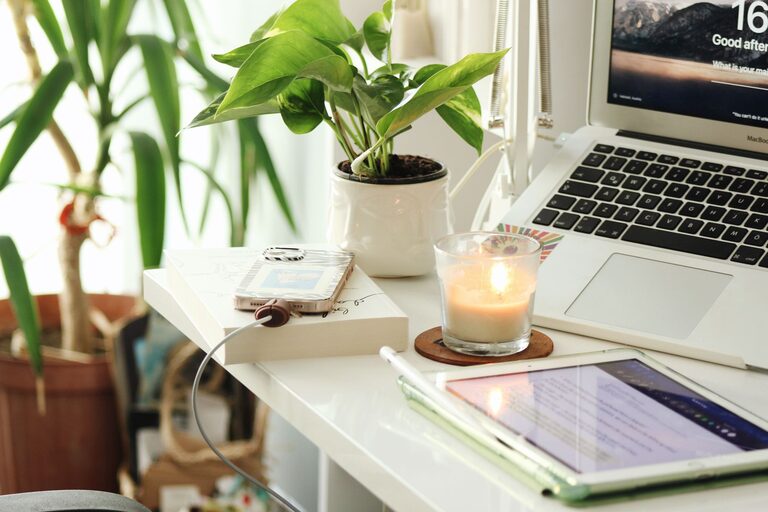
Creating a relaxing home office environment is essential for maintaining productivity and well-being, especially if you spend several hours working from home. A calm, organized workspace reduces stress and helps you focus on your tasks. In this post, we’ll explore practical tips to design a home office that feels comfortable, inviting, and conducive to deep work.
Why a Relaxing Home Office Matters
Working from home can blur the boundaries between personal and professional life. Without a dedicated, soothing workspace, it’s easy to feel overwhelmed, distracted, or fatigued. A relaxing office environment supports your mental clarity and keeps you motivated throughout the day.
Choose the Right Location
Start by selecting a spot in your home that minimizes distractions. Ideally, this area should be quiet and have good natural light.
– Quiet Corners: Choose a room or corner away from busy household traffic.
– Natural Light: Position your desk near windows to benefit from daylight, which improves mood and focus.
– Ventilation: A well-ventilated space helps maintain energy and comfort.
Ergonomic Furniture Matters
Comfort is key to reducing tension and preventing aches during long work sessions.
– Supportive Chair: Invest in an ergonomic chair that supports your back and encourages good posture.
– Adjustable Desk: Consider a desk with adjustable height to alternate between sitting and standing.
– Proper Monitor Placement: Position your computer screen at eye level to avoid neck strain.
Declutter and Organize
An organized workspace creates a sense of calm and helps minimize distractions.
– Limit Items on Desk: Keep only essentials close at hand.
– Use Storage Solutions: Shelves, drawers, and organizers keep supplies tidy.
– Cable Management: Use clips or tubes to keep cords neat and out of sight.
Calming Colors and Decor
The colors and decor you choose influence your mood and productivity.
– Soft, Neutral Colors: Shades like light blue, green, or beige promote relaxation.
– Personal Touches: Add items that inspire you, such as photos or plants, without overcrowding.
– Minimalist Design: Keep the design simple to avoid overstimulation.
Incorporate Nature Elements
Bringing natural elements into your workspace can reduce stress and increase creativity.
– Indoor Plants: Small potted plants or succulents add life and improve air quality.
– Natural Materials: Wood or stone accessories create a grounding effect.
– Nature Sounds: Gentle background sounds or white noise machines can create a soothing atmosphere.
Set Up Good Lighting
Proper lighting reduces eye strain and supports alertness.
– Layered Lighting: Combine ambient lighting with task lights like desk lamps.
– Adjustable Brightness: Use dimmers or adjustable bulbs to tailor the light to your activity.
– Avoid Glare: Position screens and lights to minimize glare and reflections.
Manage Noise Levels
Controlling noise helps maintain concentration.
– Noise-Canceling Headphones: Useful if your space is noisy or shared.
– Soundproofing: Use rugs, curtains, or acoustic panels to absorb sound.
– Background Music: Play instrumental or soft music if it helps you focus.
Create a Routine and Boundaries
A relaxing office isn’t only about the physical environment but also about habits.
– Designate Work Hours: Set clear start and finish times to separate work and rest.
– Take Breaks: Step away periodically to stretch or breathe deeply.
– Limit Distractions: Turn off unnecessary notifications and create “do not disturb” zones.
Personal Comfort Extras
Small touches can enhance your comfort and overall mood.
– Comfort Items: Cozy cushions, a soft throw, or an ergonomic footrest.
– Air Quality: Use an air purifier or essential oil diffuser for a pleasant atmosphere.
– Hydration: Keep water nearby to stay hydrated throughout the day.
Final Thoughts
Transforming your home office into a relaxing environment requires intentional choices, from furniture to lighting and organization. By creating a space that supports comfort and focus, you set yourself up for productive, stress-free workdays. Remember, your home office should be a place you enjoy spending time in—calm, organized, and personalized to your needs.